
August in the Garden
 Sue Adams
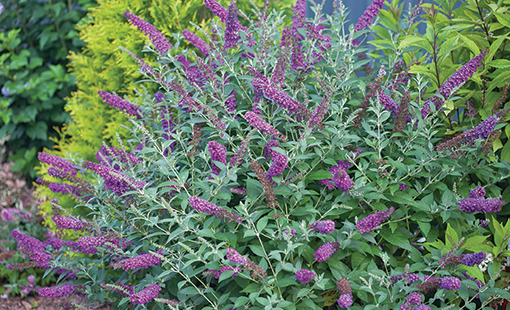
 August is awesome in the flower garden which is exploding in color with 17 different kinds of zinnias, including my favorite queeny series, a new feathery type celosia called “Shimmer,” sunflowers, cleome, cosmos, statice, marigolds, a butterfly favorite, tithonia, and new flowers for ’26 agastache “Maestro,” Lantana Bandolista “Pink Lemonberry,” and salvia “Visional.” I planted 30 containers, each one displaying new introductions. And, by the way, Pat Adams did visit and was pleased with the containers and surprised at how many sample plants I got to try out that will be available in 2026.
Granddaughter Priya will be entering the Dutchess County Fair’s Amateur cut flower competition. Deadlines for entries is three days before each competition – there is one on Tuesday and another on Friday. Go to adamsfarms.com for tips on entering cut flowers.
And we have vegetables, too! We’re enjoying a bounty of fresh vegetables from Mark’s garden – beans , potatoes, tomatoes, lettuce, squash, cucumbers, carrots, onions, and broccoli. I grow the eggplant in containers – this vegetable will not grow in Mark’s garden! Plus many herbs.
Here are a few tips to make your beds and containers a delight for the rest of the season:
– Tired planters? Give them a face lift by gently pulling out dead or dying plants and drop in replacements.
– Give your flower bed a new look by adding a generous helping of chrysanthemums and/or ornamental peppers.
– Be rewarded with new blooms by removing spent flowers on annuals, roses and perennials.
– August is a great time to dig and divide perennial flowers such as hosta, day lily, ornamental grasses and bearded iris. Use a spade to list the plant from the ground, being careful not to damage the root ball. When the clump is out of the ground, use a large knife or spade to cut it into smaller pieces that can be replanted.
– Overcrowded strawberries? Thin out by removing some plants and tossing them to the compost or transplanting to another bed. Remover any weeds, then cover with a thick layer of mulch to insulate the plants and protect the soil.
– Houseplants put outdoors probably responded with a lot of new growth. If they need a larger container, August is a great time to repot (and you can keep the mess outside!). Don’t be afraid to trim! Trimming will encourage new growth.
– Visit your vegetable bed every day, especially if you’re growing summer squash. Pick squash when it’s 6 to 8” long for best flavor. Chow down on cherry tomatoes before the fruit starts to split. Regular tomatoes are tastiest if allowed to ripen on the vine. Read these 5 Tips for Harvesting Fruits & Vegetables.
– Can, freeze and pickle extra veggies to enjoy later on. Mark loves to can tomatoes, and in July he put up 6 jars. More to come!
– Dry and/or freeze herbs to enjoy all winter long. Read my tips on Drying Herbs
– Plant perennials and shrubs which will take root during the cool, moist fall weather and reward you with delightful blooms next spring and summer.
– Put the garden to bed as the summer inevitably ends. When plants begin to die off and stop producing fruit, now is the time to pull up the dead crop and plant a cover crop which will not only protect the soil surface, but also nourish the soil. We plant rye in my annual bed.
– Stop feeding roses in August so that the growth can harden sufficiently before killing frost arrives.
– Prep for frost: by having sheets, plastic or towels ready to cover plants when there is frost warning. Some vegetables can be left in the ground and mulched to keep them from freezing. We enjoyed carrots from the garden on Thanksgiving last year (glazed with honey – yum!)
– Raise your mower height so you’re cutting grass higher. When the grass is taller, it shades the soil beneath which reduces water evaporation from the soil.