This overview draws on historical gardening practices, agricultural records, and regional horticultural history. Of course, we’ve seen vast improvements in farm equipment since the Moldboard Plow. And we have much more sophisticated fertilizers, including many organic ones. We have learned about controlling pests with Integrated Pest Management. We’ve come a long way from early kitchen gardens focused primarily on food and herbs, with a few flowers mixed in. We have embraced container gardening and love displaying combination hanging baskets. We reap the benefits of breeding when we grow phlox and monarda not attacked by downy mildew. And each year we look forward to more new introductions to keep us excited. Here’s a Mint Mojito toast to everyone who helps make the agricultural industry the success it is in our country
The Colonial Era
Early settlers in the United States stressed utility in their choices of what they planted; edible, medicinal, and those that kept insects away. They blended native species like black-eyed Susans, columbine, bee balm, cardinal flower, milkweed, and butterfly weed, with imported flowers like roses, tulips, hyacinths, daffodils, violets, carnations, peonies, and crocuses. George Washington favored native trees and plants while Benjamin Franklin introduced various plants for, as he saw it, American self-sufficiency. Key introductions during this time included Chinese Tallow for oil and soap, Scotch kale and kohlrabi to increase agricultural variety, Swiss barley and broomcorn for the manufacture of brooms. Unfortunately, the Chinese Tallow Tree became an invasive species. During the Revolution, there was growing interest in self-reliance, including increased use of native plants alongside traditional European varieties. Flowers were grown alongside vegetables and herbs, serving as both practical and decorative.
🌸 Flowers for Dyeing Fabrics
Plants such as marigold, goldenrod, and indigo were commonly used for natural dyes, producing shades of yellow, blue, and green. Below are a few examples of plants that may have been used to dye fabric.
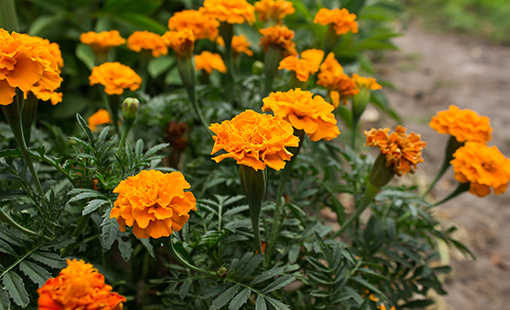
Marigold - Yellow/Orange
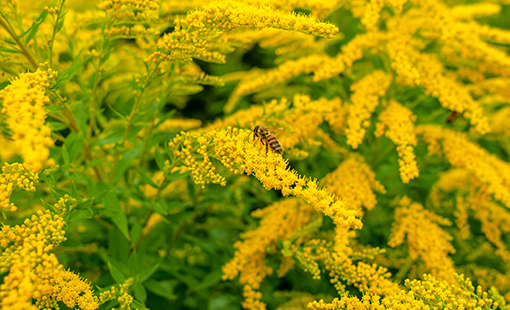
Goldenrod - Yellow & Greenish
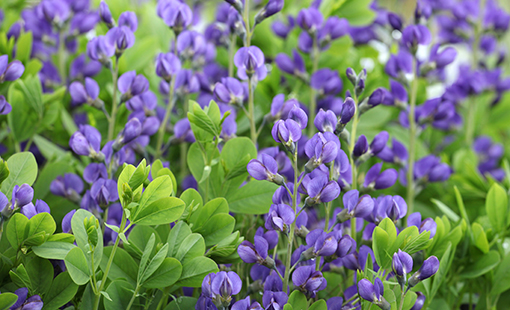
Baptisia - Pale Blue
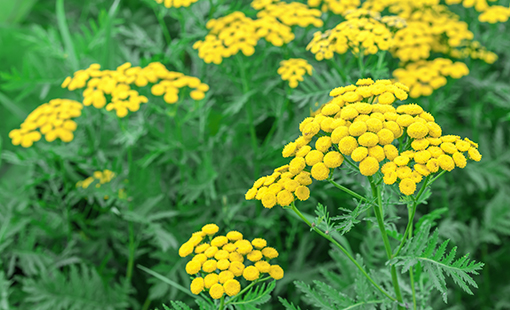
Tansy - Green
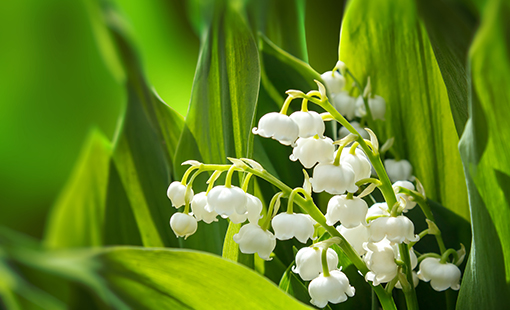
Lily of the Valley - Yellow or Gold
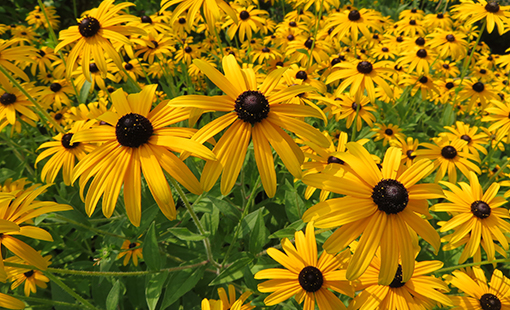
Black-Eyed Susan - Green & Yellow
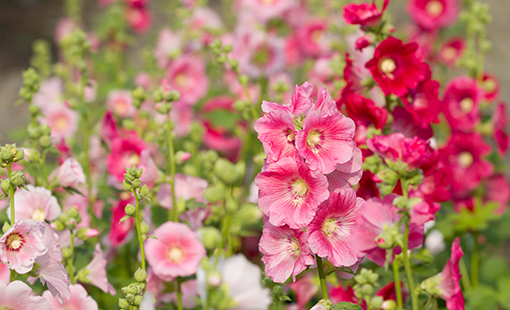
Hollyhock - Deep hues
🌿Colonial Herbs: Everyday Uses
Herbs in the colonial garden & in the packs of soldiers fighting in the Continental Army
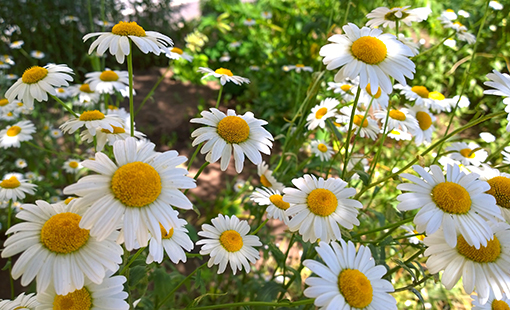
Chamomile
Medicinal Uses: Digestive, sleep aids, fever & pain relief, skin & topical care, menstrual discomfort
Non-Medicinal Uses: To lighten and brighten blonde hair, ground cover for its pleasant scent
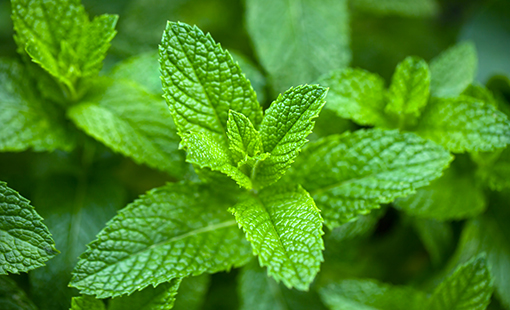
Mint
Medicinal Uses: Stomach ailments, respiratory care, aches & pains, nerve tonic
Non-Medicinal Uses: Culinary: Sauces & jelly, beverages, flavor dishes, used to help cover the gamey tastes of meat
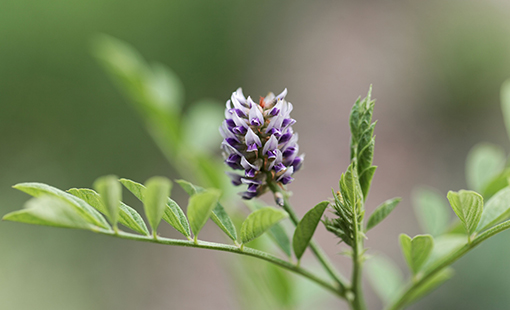
Licorice
Medicinal Uses: Respiratory relief, digestive aid, remedy for earaches, and mouth ulcers
Non-Medicinal Uses: Chewed the end of the root until it splayed into a brush which was then used to clean teeth and gums. Used to sweeten foods and medicines
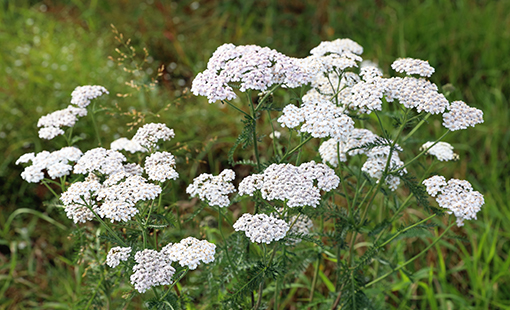
Yarrow
Medicinal Uses: “soldier's woundwort” to staunch bleeding, treat wounds & reduce inflammation
Non-Medicinal Uses: Hung in homes to ward off evil and used in love divination rituals
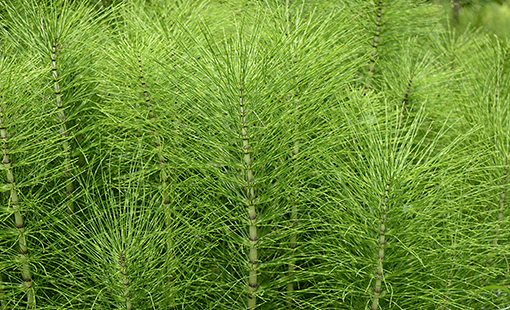
Horsetail
Medicinal Uses: Used in folk medicine as a diuretic to treat kidney and bladder problems, applied topically as a remedy to stop bleeding, reduce swelling
Non-Medicinal Uses: Used as an abrasive for scouring pads for cleaning, stems were used to sand or polish fine woodwork
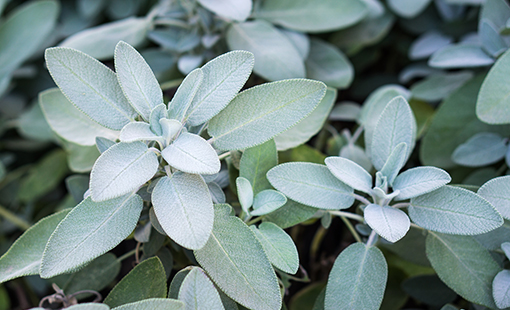
Sage
Medicinal Uses: Digestive aid, oral health, tonics and purifying, wound care
Non-Medicinal Uses: Meat seasoning, tea, flavorings used in stews, cheese and sometimes vegetable dishes. Burned to fumigate sickrooms.
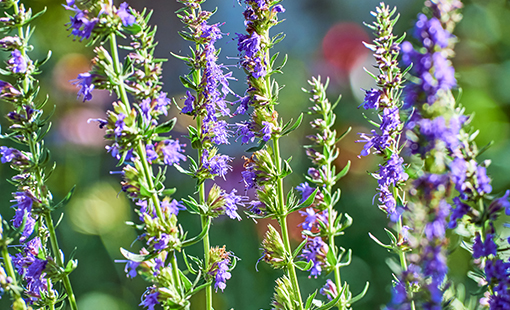
Hyssop
Medicinal Uses: Medicinal “cure all”, plus used for wound care. In folklore is was used to fight lice
Non-Medicinal Uses: Scattered on floors to mask odors and freshen homes. Culinary herb for soups, stews, salads and sometimes to flavor liquors. Some women placed it in their books of psalms to smell during services
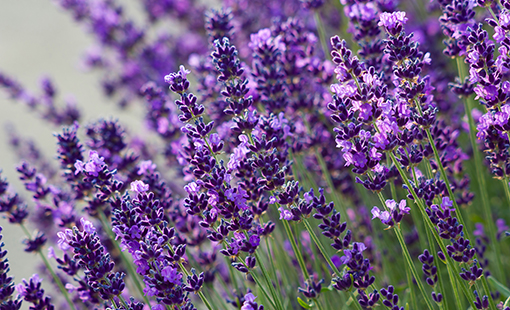
Lavender
Medicinal Uses: Headaches & nerves, digestive issues, ailments & infections
Non-Medicinal Uses: Dried lavender was used in tea and added to meat dishes, lavender flowers were infused with sugar to make desserts. Scattered on floors to mask odors. Used in baths, soaps & perfumes. Commonly placed in cupboards to ward off pests
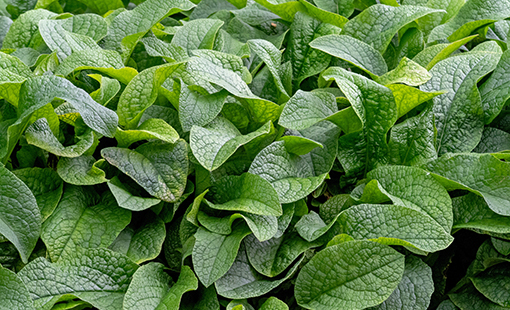
Comfrey
Medicinal Uses: Used as a topical remedy to mend broken bones, bruises and sprains. Used to treat burns, insect stings and even to alleviate gout and joint pain. Juice was applied to relieve toothaches
Non-Medicinal Uses: Used to make teas, though no longer recommended for internal use. Used as a valuable composting agent, mulch and as a natural “green manure”. Its protein rich leaves were often used to feed livestock and poultry
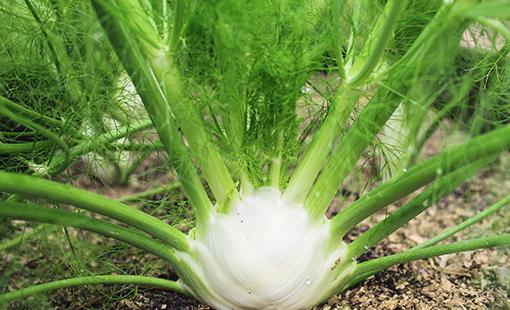
Fennel
Medicinal Uses: Known as a “cure-all", used to treat colic, flatulence, coughs & sore throats, used to aid digestion, freshen breath & encourage milk production in nursing mothers
Non-Medicinal Uses: Used to flavor soups, stews, fish & pickling. Seeds were used in breads & desserts. Believed to be a powerful protective herb to prevent witches & evil spirits from entering the home. Early settlers frequently chewed the seeds to dull hunger pains during long Church services
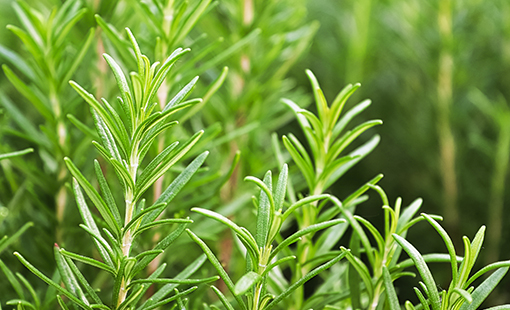
Rosemary
Medicinal Uses: Used to treat headaches, poor digestion, stomach disorders. Rosemary oil or tea was used to alleviate joint disorder, muscle aches
Non-Medicinal Uses: Used as a preventative in homes to prevent the spread of diseases. Dried sprigs were used in sachets to ward off illness & evil. Used in cooking to add aroma and flavor to meats. Used as a natural preservative for food. Spread on floors for fragrance & to deter insects
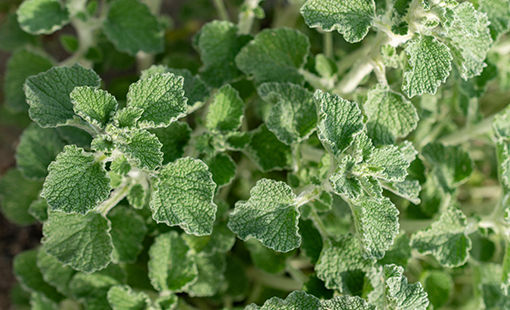
Horehound
Medicinal Uses: Cough & sore throat, and respiratory remedies. Commonly taken as candy or hard lozenges
Non-Medicinal Uses: Used as a bittering herb in traditional herbal ales
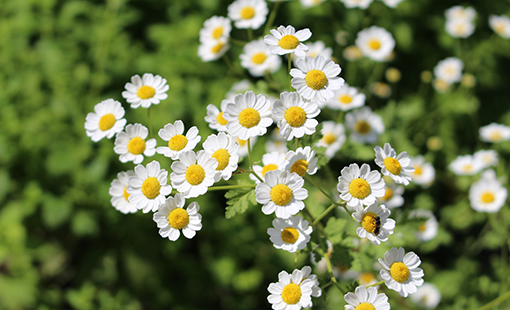
Matricaria (Feverfew)
Medicinal Uses: Used to bring down fevers
🥕 Vegetable Growing & Preservation Methods
The colonists grew hardy staples. Vegetables were preserved through drying, pickling, or winter storage in root cellars, buried in sand, to last through the cold seasons. Beans were often baked with vegetables, bacon and spices. Greens used during colonial times included dandelions, kale, mustard, Swiss chard, and turnip greens. Dill was a popular choice for light dishes and a staple for pickling.
- Stored in Root Cellars – Potatoes, turnips, carrots
- Pickling – Cabbage, beans, and cucumbers were covered with vinegar, salt & spices
- Drying – Beans, pumpkins & herbs were dried and hung to preserve them
- Buttering – Vegetables were sometimes covered with leather, pig bladders, or clarified butter to seal out air
- Field Storage – Hardy roots like parsnips were sometimes left in the ground until early spring
After the Revolution: Innovation Begins
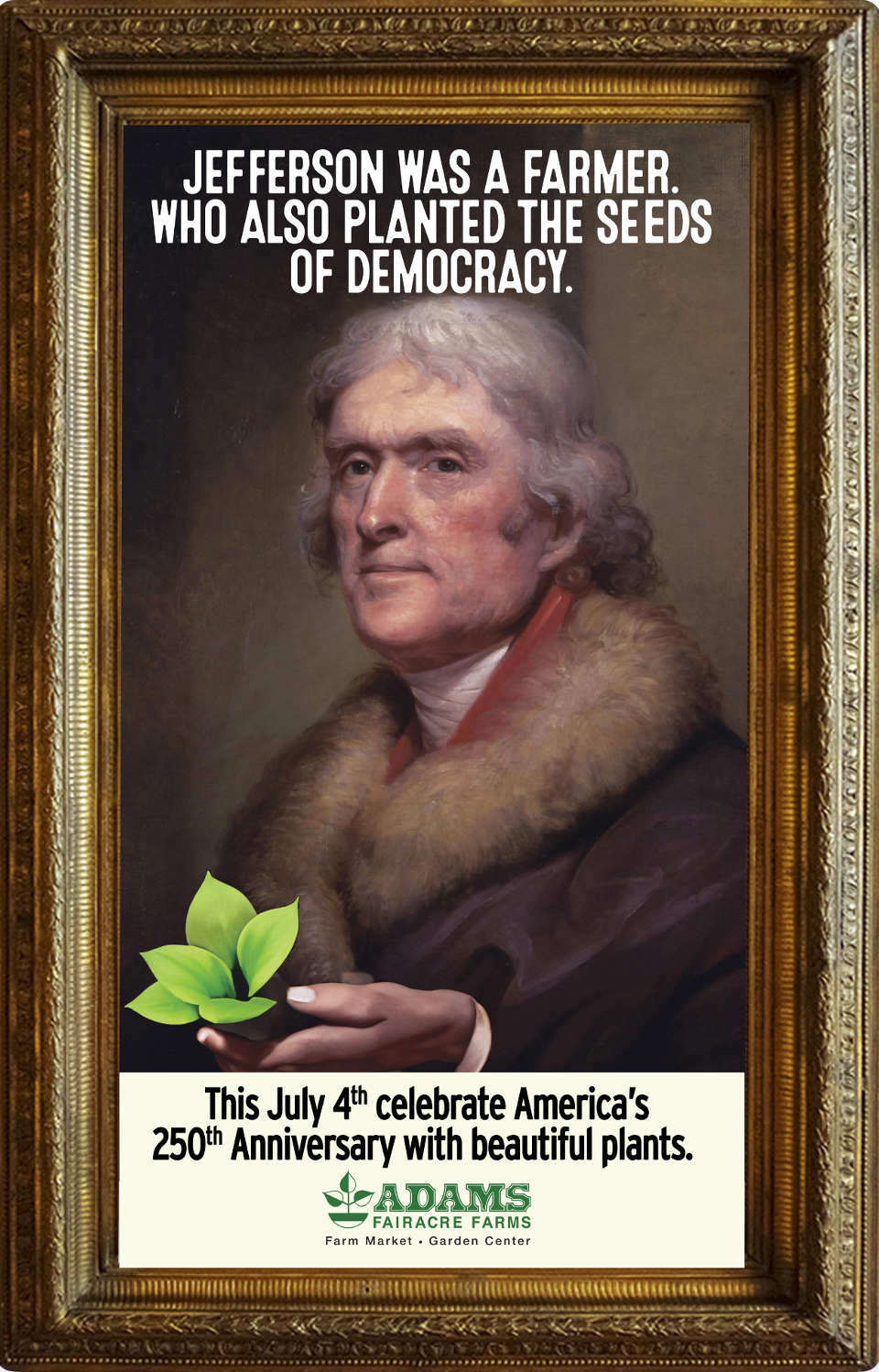
Gardening in the United States shifted from colonial survival to a symbol of national identity and scientific progress. Founding fathers George Washington and Thomas Jefferson were innovative farmers who helped reshape American agriculture.
🌱 George Washington’s Contributions
- Crop rotation – He moved away from tobacco production, which exhausted the soil, and utilized crop rotation, alternating crops like wheat, corn, and clover to restore soil nutrients
- Soil improvement – Experimented with fertilizers like manure and compost to improve soil health
- Diversification – Instead of relying on a single cash crop, he grew multiple crops and raised livestock to make his farm more sustainable and less risky
When other farmers saw the success at Mount Vernon, they began adopting crop rotation and diversification, which helped to preserve soil and increase long-term productivity
📊 Thomas Jefferson’s Contributions
- Scientific farming – He carefully observed weather, soil, and crop performance and kept detailed records
- New crops & techniques – He introduced and tested new plants, like different grains and vegetables. He grew sea kale, okra, and rutabaga, and was among early American growers of crops like tomatoes, which were once viewed with skepticism. He planted over 170 fruit varieties, including European grapes, which often failed, figs, and diverse apple trees
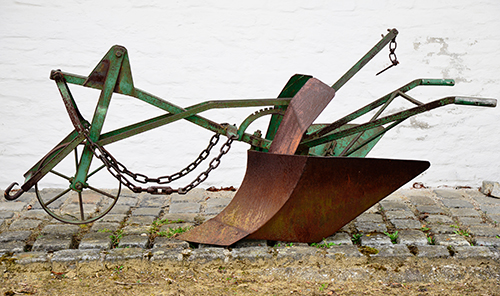
- Promoted more modern tools—Jefferson improved the design of the moldboard plow, which allowed for deeper plowing and eased the workload for farmers and draft animals, thus enhancing agricultural efficiency
- Contour plowing – He encouraged plowing along the natural curves of land, instead of straight up and down slopes, to reduce erosion
- He encouraged farmers to experiment, keep records, and adopt more efficient, environmentally friendly practices
1800s: Modern Flower Breeding Flourishes
Driven by the introduction of new species, we see a rise in scientific horticulture and a shift toward systematic hybridization. The first hybrid garden petunia was introduced in the early 1830’s, specifically to improve the lanky small-flowered plants. Many years later we see truly improved varieties.
🍅 1876 – W. Atlee Burpee Company
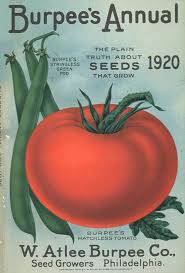
Founded by 18 year old Washington Atlee Burpee, this company became one of the most well-known seed companies in the United States. This year the company is celebrating its 150th anniversary. In 1894 Burpee introduced iceberg lettuce, developed for shipping in railroad cars, enabling coast to coast shipping. Did you know there is a new Burpee Seed trial garden at Bard College’s Montgomery Place? This is where Burpee will show new introductions as well as varieties they are trying out (those have numbers instead of names).
🧑🌾 Italians arrive in Poughkeepsie
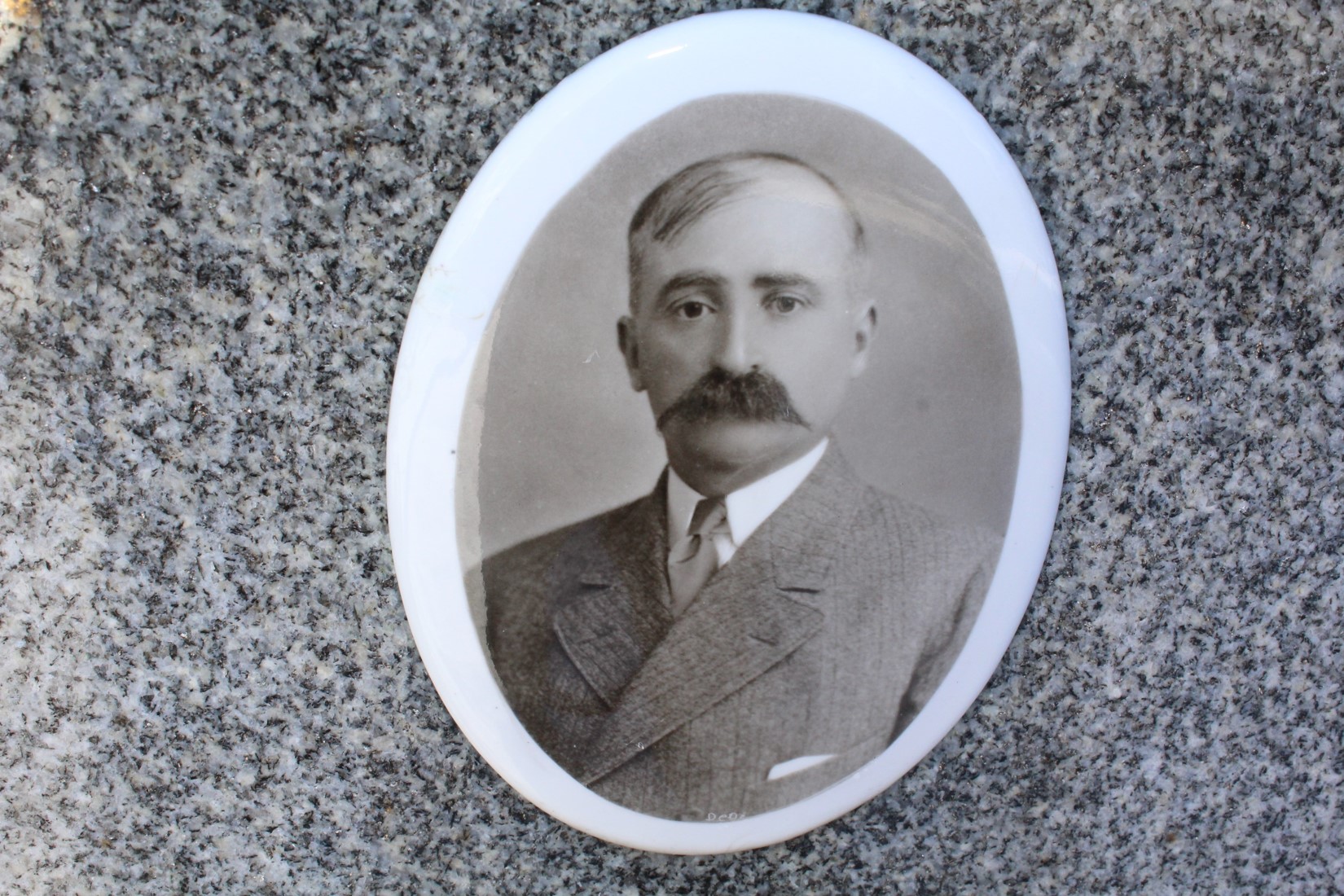
In 1897 “Jimmy” Adamuccio (who changed his name to Adams) arrived at Ellis Island. He joined the Italian community that centered around the downtown streets still known as “Little Italy.” Pre-supermarket times, farmers like James took their produce to a central market. Broccoli and zucchini didn’t gain widespread popularity in modern gardens until Italian immigrants brought them over in the late 19th and early 20th centuries.
1900s: Exciting Developments
Since 1897, plant breeding has shifted to sophisticated hybridization and genetic innovation, resulting in vegetables with higher yields and improved disease resistance, and flowers with unique colors, compact forms and longer bloom times.
Known locally as the “Violet Capital of the World,” Hyde Park and neighboring Rhinebeck, were part of the “Violet Belt” a major hub producing millions of cultivated, fragrant violets, most notably the variety “Marie Louise,” for New York City’s fashion market. This industry peaked around 1910-1920. Violet Avenue is a lasting reminder of this area’s role. Battenfeld’s Anemone Farm in Rhinebeck is the only remaining grower in the area that still cultivates violets.
🌸 Notable Advancements of the 1900s
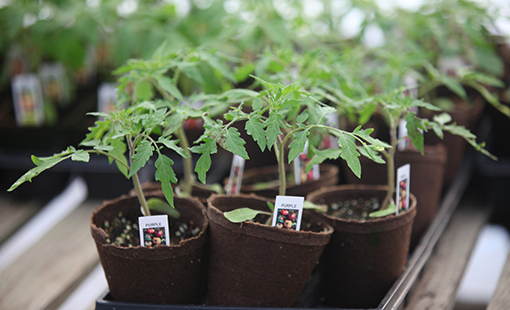
1945
Hybrid tomatoes were developed to improve disease resistance and yield
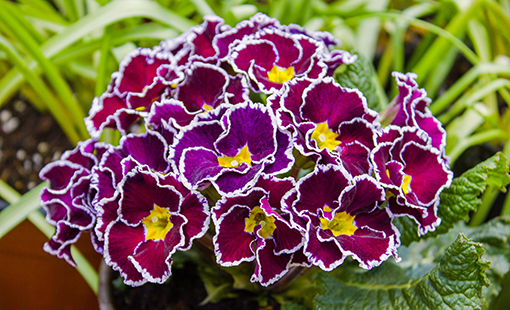
1950s
Rise of modern F1 hybrids, improving the look and growth habit of flowers
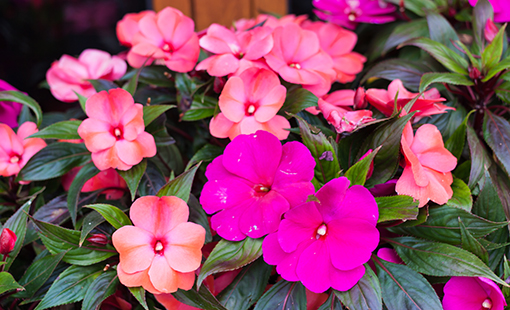
1972
Introduction of New Guinea impatiens
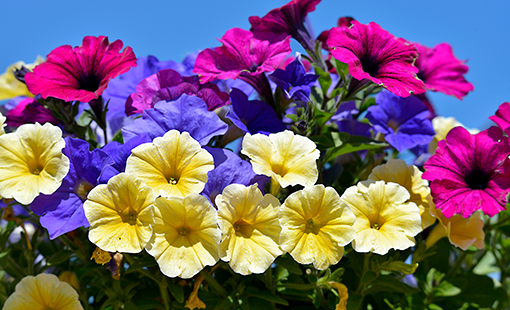
Early 1990s
Surfinia Petunias, propagated by cuttings, started the trailing petunia trend
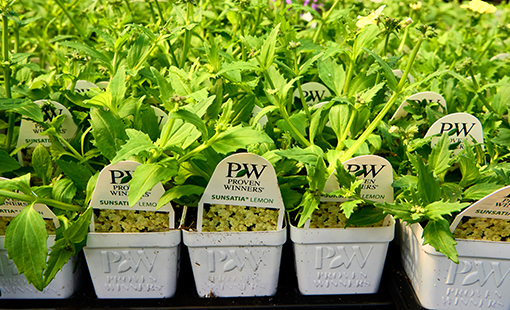
1992
Proven Winners was founded, focusing on groundbreaking annual flowers that in many cases, revolutionized container gardening
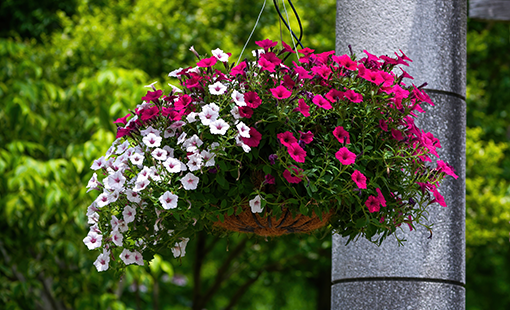
1995
Wave Petunias! Unlike the petunias before them, waves are spreading and exceptionally weather tolerant
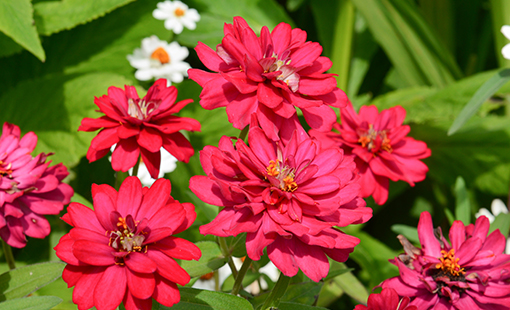
1999
Profusion Zinnias: highly resistant to the diseases that plague older varieties
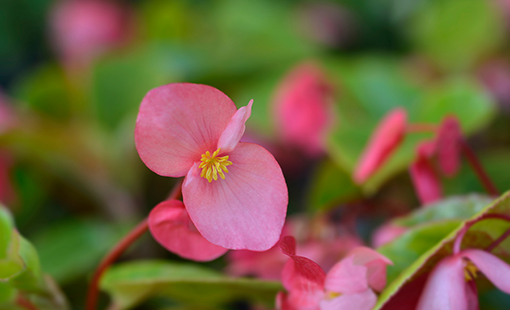
2000
Dragon Wing Begonias, prized for its “angel wing” shaped leaves and massive, drooping clusters of flowers
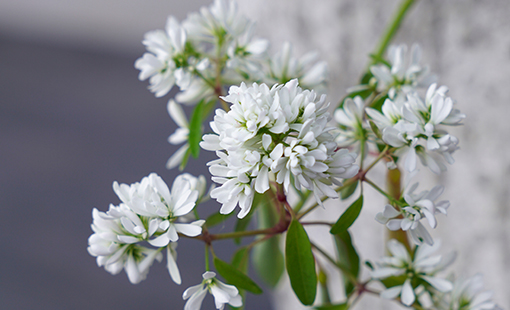
2005
Diamond Frost Euphorbia: this annual flower became an overnight sensation, primarily for its filler quality in containers

Now
Predictive Breeding: a data-driven approach to agricultural improvement that uses data and technology to predict how plants will perform under different conditions. Often described as a shift from “explaining” why a plant grows well to “predicting” which plants will perform best under future conditions